
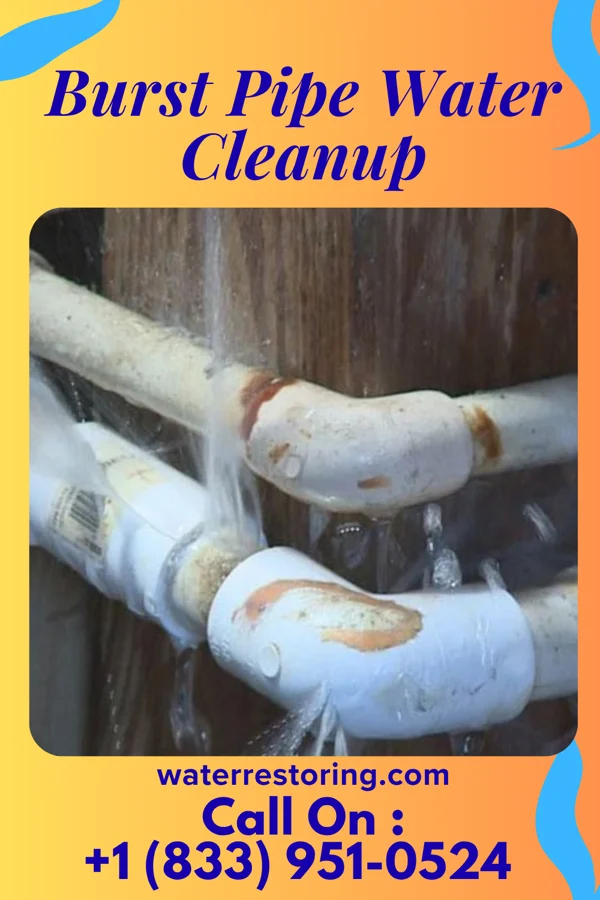
Burst Pipes & Insurance in Ewa Villages
Ewa Villages, Hawaii, experiences a high risk of pipe bursts due to its aging infrastructure and frequent heavy rainfall, which can overwhelm drainage systems and cause water pressure fluctuations. The area's proximity to agricultural zones also increases the likelihood of irrigation-related pipe failures. is the trigger behind most burst pipe water cleanup claims in Ewa Villages. A close second is The region's high humidity and frequent tropical storms contribute to corrosion and wear on underground pipes, making burst pipe incidents more common. Additionally, the presence of older residential and commercial properties with outdated plumbing systems raises the risk of unexpected water damage.. Most homeowner insurance policies cover sudden, accidental water damage. What separates a clean claim from a stuck one is fast professional response with documentation an adjuster can actually use.
Ewa Villages is located in a tropical climate with high humidity and frequent rainfall, which accelerates pipe corrosion and increases the likelihood of bursts. The area's proximity to the ocean also means that saltwater intrusion can affect underground pipes, especially in coastal neighborhoods.
Most burst pipe water cleanup calls in Ewa Villages come from Ewa Villages, Hawaii, experiences a high risk of pipe bursts due to its aging infrastructure and frequent heavy rainfall, which can overwhelm drainage systems and cause water pressure fluctuations. The area's proximity to agricultural zones also increases the likelihood of irrigation-related pipe failures.. Running a close second is The region's high humidity and frequent tropical storms contribute to corrosion and wear on underground pipes, making burst pipe incidents more common. Additionally, the presence of older residential and commercial properties with outdated plumbing systems raises the risk of unexpected water damage.. Local mold risk: Ewa Villages' high humidity levels and warm temperatures create an ideal environment for mold growth within 48 to 72 hours of a water incident. Prompt water extraction and drying are crucial to prevent long-term damage and health risks.
For public guidance on the health effects of mold after prolonged water exposure, see the EPA mold and health page.